
734: Being an Owner vs. Operator Part 2
What do we actually want our pet care businesses to make possible for us? In this episode, we build on our conversation about ownership stages by exploring how our goals shape the work we do and the responsibilities we share. We discuss the mindset shifts involved in trusting others with pet care, decisions, and leadership, including why being needed can become tied to our sense of value. We share how reviewing two weeks of our calendars can reveal where our time goes and which dependencies are keeping us from the roles we want. Whether we love doing visits, managing operations, or developing leaders, we can take intentional steps toward a business that supports that choice.
733: Learning to Let Go Without Losing Control with Maris Sonnabend
What happens when the biggest obstacle to your business’s growth is the owner? In this episode Maris Sonnabend is back on the show to discuss the difficult but necessary transition from doing everything yourself to becoming a true leader. They explore why systems, delegation, and trust are essential for sustainable growth, even when letting go feels uncomfortable. Maris shares practical insights on identifying the work only the owner can do while empowering others to take ownership. Whether you’re hiring your first employee or leading a growing team, this conversation offers encouragement to build a business that can thrive beyond you.
732: Being an Owner vs. Operator Part 1
Are you actually functioning as the owner of your business, or have you simply created a job for yourself? In this episode, we break down five distinct roles we can occupy as pet care business owners, from owner technician to enterprise owner. We explore how our responsibilities, mindset, and definition of productive work must change as the business grows and other people begin taking responsibility. We also discuss why moving “up” these stages isn’t inherently better and why a successful solo sitter may be exactly where they want to be. Ultimately, we need to identify the role we are actually playing, decide which role we want, and make sure our daily work aligns with the business we’re trying to build.

731: Why Going Cats-Only Was the Right Business Move with Sarita Eckhoff
What happens when you build a pet care business around the animals, clients, and work you genuinely love? Sarita Eckhoff shares how she transformed an idea into Exclusively Cats In-Home Cat Sitting while initially maintaining a full-time office job. She explains why professional presentation, continuing education, veterinary relationships, and a clear cats-only niche helped her earn the trust of her earliest clients. Sarita also discusses pricing confidently, communicating concerns promptly, and recognizing the true value pet sitters provide beyond basic feeding and litter box care. Her journey is an encouraging reminder that success does not have to mean building a large team—it can mean creating a focused, fulfilling business that fits the owner’s strengths and desired lifestyle.
730: Stop Making Every Problem Your Emergency
What does peace of mind actually look like when employees call out, clients cancel, cars break down, and plans change without warning? In this episode, we explore why peace of mind does not come from eliminating problems, but from building a business capable of absorbing them without every disruption becoming our personal emergency. We break that work into three major areas: hiring dependable people, creating systems designed for failure, and developing a healthier mindset toward the normal uncertainty of business ownership. We also discuss dependable capacity, single points of failure, team-based care, delegation, and why some unused capacity can actually make a business stronger. Ultimately, we argue that the goal is not to control everything, but to build something resilient enough that we no longer have to.
729: Still Standing with Cathy Duvall
What happens when one unexpected moment changes your business—and your life—overnight? Cathy Duvall returns to Pet Sitter Confessional to share her deeply personal journey after a sudden accident led to years of surgeries, chronic infection, and a complete rethinking of how she operates her solo pet sitting business. Together, we explore the emotional challenge of adapting to physical limitations, learning to say no, and creating resilience before a crisis arrives. Cathy shares practical lessons about financial preparedness, backup plans, and protecting your health without losing your passion for pet care. This conversation is a powerful reminder that resilience isn’t about pretending nothing has changed—it’s about continuing forward in a new way.
728: The Legacy of a Lazy Leader
What happens when a leader stays incredibly busy but keeps avoiding the work that only they can do? In this episode, we unpack what “lazy leadership” actually looks like and why it has far less to do with how hard we work than with which responsibilities we choose to avoid. We discuss the difference between delegation, rest, hustle, and avoidance, along with the consequences our teams and future selves inherit when difficult decisions are continually delayed. We also explore how our unspoken behaviors teach employees what standards really matter, whether we intend them to or not. Finally, we challenge ourselves to identify the one difficult responsibility that belongs on our plate and deliberately do the hard thing before somebody else inherits the problem.

727: From Founder to Future with Kaz Kelly
What would happen to your pet care business if you needed (or wanted) to step away? Collin speaks with Kaz Kelly, founder of Founder to Future Consulting, about preparing a business for sale long before an exit becomes urgent. Kaz explains why annual exit-readiness audits, documented systems, independent teams, and clear financial boundaries make a business more attractive to potential buyers. They also explore the emotional realities of selling, including releasing control, redefining your identity, protecting yourself during due diligence, and accepting that a buyer is not responsible for preserving your legacy. Whether retirement is approaching or selling has never crossed your mind, this conversation will help you build a healthier, more transferable business today.
726: What to Do When Your BusinessFeels Stuck
What do we do when working harder stops producing better results in our business? We explore how to recognize when we’ve genuinely hit a limit rather than simply experiencing a temporary slow season. We talk about separating what we can control from what we can’t, managing the frustration that comes with feeling stuck, and treating a plateau as useful information instead of personal failure. We also break down practical ways to move forward by retiring tactics that aren’t working, asking for outside help, and turning big problems into small, measurable experiments. Most importantly, we’re reminded that being stuck is temporary, but how we respond while we’re there determines what kind of business owner we’ll be when things start moving again.

725: Building Your Succession Plan with Sativa Boatman
What would happen to your pet care business if you suddenly could not run it? Attorney and business owner Sativa Boatman joins Collin to explain why wills, trusts, powers of attorney, and succession planning matter long before retirement. They discuss the risks of allowing a business to pass through probate and the operational gap that can leave employees, clients, and family members without anyone authorized to act. Sativa encourages owners to recognize their businesses as valuable assets and clearly communicate whether those businesses should continue, be sold, or be responsibly closed. This conversation offers a practical starting point for protecting what you have built while giving the people around you greater clarity and peace.
724: The Long Term Cost of Short Sighted Solutions
What if some of the decisions that feel most responsible today are quietly creating bigger problems for your business tomorrow? We explore how avoiding immediate discomfort can show up in our pricing, hiring, marketing, client policies, documentation, and willingness to delegate. We discuss why doing everything ourselves, tolerating mediocre performance, underpricing services, and saying yes to every client can eventually limit the business we actually want to build. We also look at how stronger systems, better documentation, consistent marketing, clear contracts, and intentional team development give us more options instead of fewer. Ultimately, we challenge ourselves to accept a little discomfort today so that our future selves inherit a business instead of simply another job.
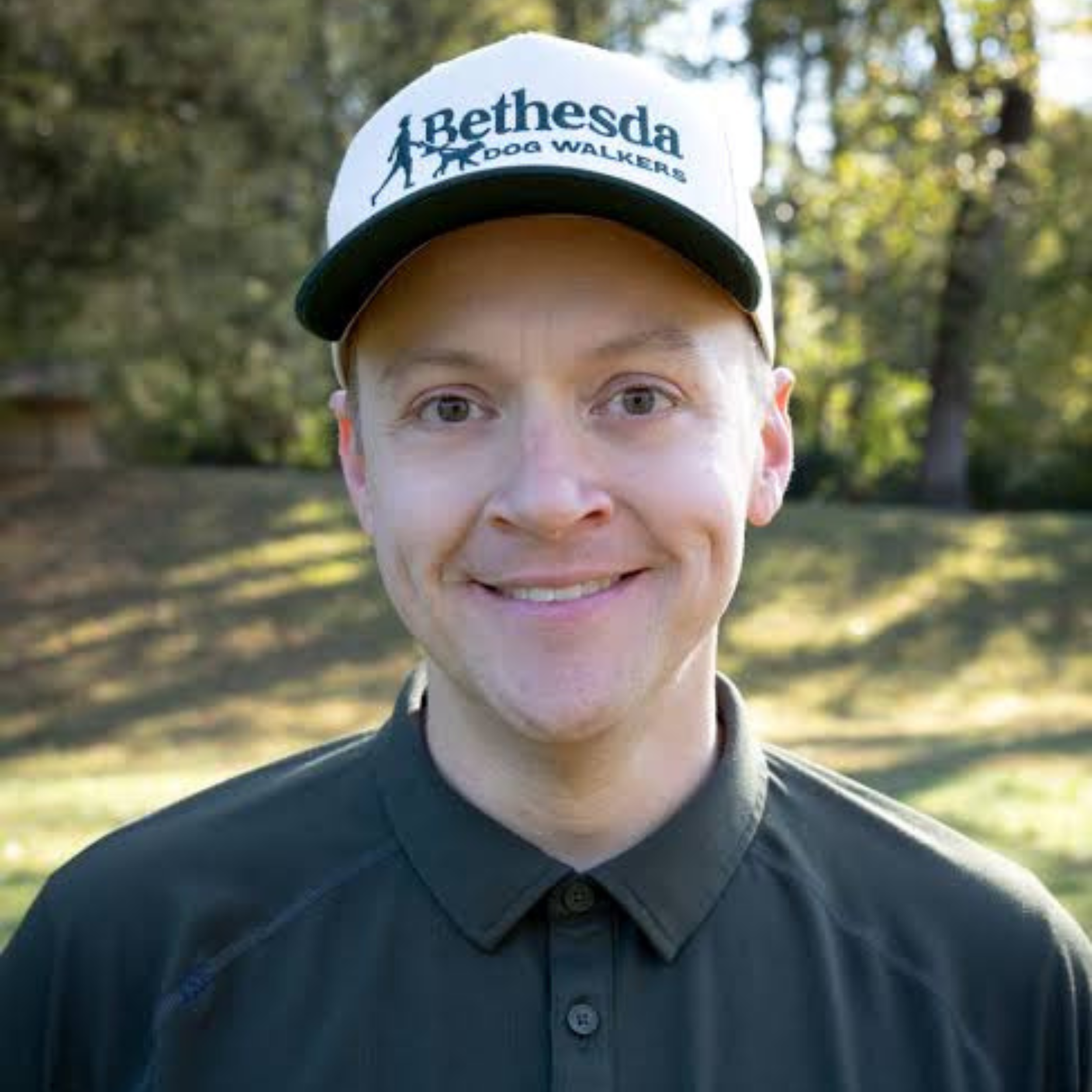
723: Don’t Just Go for “Okay” with Dave Peterson
What does it take to rebuild a pet care business without losing sight of why it matters? Collin talks with Dave Peterson of Bethesda Dog Walkers about buying into a family business, rebranding, changing operations, and learning to lead through uncomfortable seasons of growth. Dave shares how marketing, client trust, reviews, onboarding, and consistency all work together to create a premium client experience. They also discuss why doing the simple things well can be more powerful than constantly trying to go above and beyond. This conversation is a reminder that long-term businesses are built through service, clarity, and a willingness to do hard things for the right reasons.
722: The Missing Link Between Employee Retention and Client Loyalty
What if the biggest reason clients and employees stay has nothing to do with pricing, pay, or perks? In this episode, we explore how understanding why each visit matters transforms ordinary pet care into meaningful service. We discuss the difference between simply completing tasks and delivering genuine care, and how giving your team client context changes the way they show up. We also share two practical systems that strengthen both employee engagement and client retention. Together, we’ll discover how purpose and feedback create a healthier business for everyone involved.
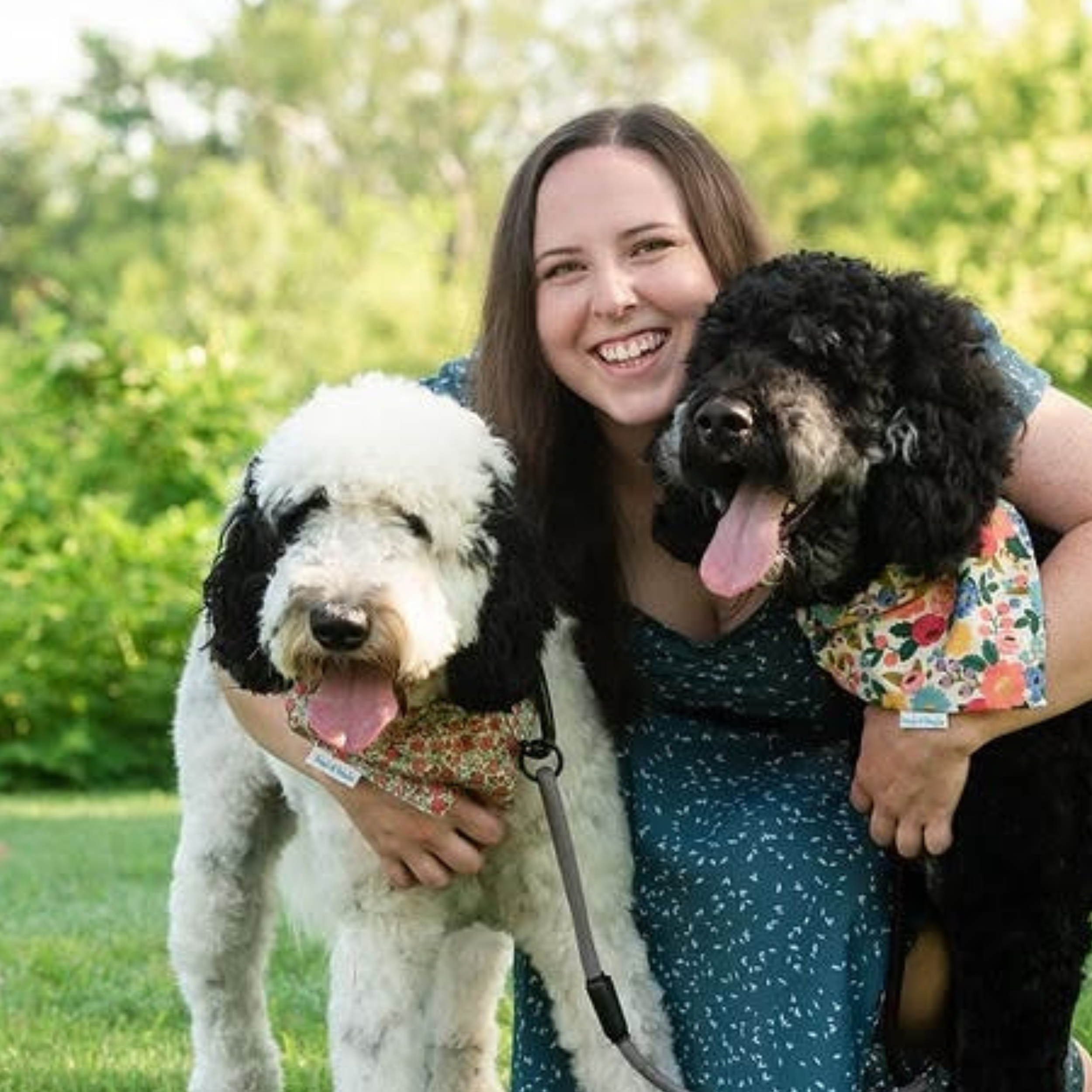
721: Rebranding For the Clients You Want with Rebecca Thompson
What happens when your business changes faster than your brand does? Collin talks with Rebecca Thompson of Skyline Dog Walkers about rebranding, shifting toward dog walking, and learning how to communicate what makes a business different. Rebecca shares how she moved from teaching into pet care, built a team-based service model, and began using data alongside instinct to make stronger decisions. They also discuss visibility, social media, client acquisition, and the challenge of leading a team through change. This conversation is a reminder that growth requires clarity, consistency, and the courage to keep showing up.
720: What Does Your Company Say About You?
What if the biggest influence on your business isn’t your marketing, your policies, or even your employees—but you? In this episode, we explore how every business gradually becomes a reflection of its owner’s values, standards, and daily actions. We discuss why professionalism, integrity, education, and accountability must be modeled before they can be expected from a team. We also examine how culture is created through what leaders reward, tolerate, and consistently reinforce. Finally, we challenge you to identify the values you want your business to embody and evaluate whether your systems and leadership truly support them.

719: Hard Conversations Build Better Businesses with Whitney Guison
What if better communication was less about winning arguments and more about building stronger relationships? Whitney Guison, President/CEO of the Nixa Area Chamber of Commerce, talks about hard conversations, community involvement, and why business owners need shared language with their teams. Whitney explains how clear expectations, defined policies, and immediate feedback can prevent unnecessary conflict. They also discuss how chambers of commerce can help pet care businesses build legitimacy, relationships, and local trust. This conversation is a practical reminder that pet care may start with animals, but it grows through people.
718: There’s No Easy Button
What easy button are we hoping will finally solve everything in our business? We examine why more clients, another employee, new software, AI, additional services, or a manager may create new challenges instead of eliminating our existing ones. We discuss how instant gratification and shiny object syndrome can distract us from the consistent, sometimes boring work that builds a dependable pet care company. We also explain why tools, systems, and advice only become valuable when we understand the real problem and possess the discipline to implement the solution. Ultimately, we encourage pet sitters to stop searching for a silver bullet and commit to executing the fundamentals extraordinarily well.
717: How Wilma’s Wags Supports the Whole Family with Janelle Vargas
What happens to a family’s pets when cancer treatments consume their time, energy, and finances? Janelle Vargas joins the show to share how losing her mother, Wilma, inspired her to create Wilma’s Wags, a nonprofit providing pet food and pet-care assistance to families affected by cancer. She explains how the organization supports patients and caregivers, develops community partnerships, and delivers practical help directly to families. Janelle also discusses the realities of starting a nonprofit, raising funds, documenting assistance, and building a mission that can grow sustainably. Janelle’s story is a reminder that your work serves people as much as it serves pets and that pain can become a powerful source of purpose.
716: Before You Spend Another Dollar on Marketing, Calculate This!
Have you ever wondered whether a marketing expense is actually worth the money? In this episode, we explore three financial metrics every pet care business owner should understand before making decisions: client lifetime value, profit margin, and cost per visit. We discuss how these numbers remove guesswork from marketing, pricing, hiring, and growth decisions. We also explain how operational efficiency directly impacts profitability and long-term sustainability. By the end, we encourage you to calculate just one of these metrics so you can begin making more confident, data-driven decisions in your business
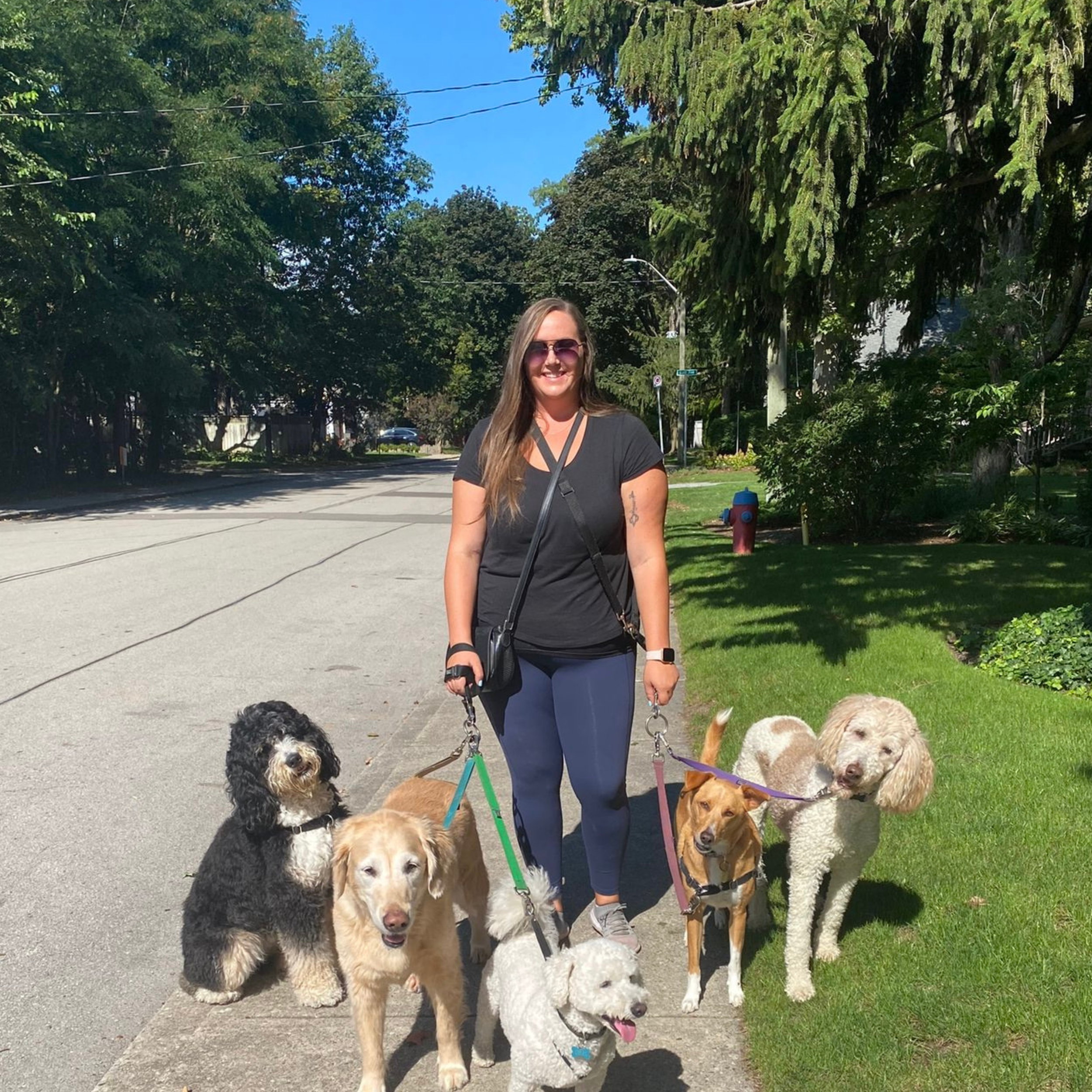
715: Starting Over and Growing Stronger with Meagan Cervini
What happens when an unexpected opportunity takes you across the world—and then brings you back again? Meagan Cervini shares her journey from managing dog daycares in Canada to helping launch a facility in Dubai, and ultimately building her own business back home. She reflects on the lessons learned from different work environments and how they shaped her approach to client care and team building. Through challenges, self-doubt, and growth, Meagan developed a business rooted in relationships and trust. This episode highlights the power of experience, resilience, and doing things your own way.